Posted on

Brand Loyalty Examples: 15 Top Brands for Customer Retention

Brand Loyalty Examples: 15 Top Brands for Customer Retention

Many brand loyalty examples demonstrate that consumers stay devoted to a brand because they feel a strong connection to it. This relationship is stronger when consumers feel valued and appreciated. Over time, that sense of trust grows naturally.

According to Statista data, 30% of customers say they are loyal to a brand because of trust, love, and sincerity. This means building customer trust is about nurturing a consistently strong long-term relationship. Ready to discover the secret to boosting customer retention? Keep scrolling!

Key Takeaways:

  • Brand loyalty grows from mutual trust between brand and customer.
  • Consistent experiences keep customers remembering and choosing the same brand.
  • Brand loyalty examples prove that emotional connections are stronger than mere price or promotions.

What is Brand Loyalty and Why Does It Matter for Businesses?

Brand loyalty refers to a customer’s deep attachment to a brand, shown when they continue choosing it even with cheaper or more convenient alternatives available. This loyalty grows from consistent emotional value and a well-crafted brand experience strategy that keeps customers engaged and satisfied.

Building strong brand loyalty also contributes significantly to higher return on investment (ROI) and better customer retention. People who trust a brand are far less likely to switch, even when competitors try to attract them with other offers.

15 Inspiring Brand Loyalty Examples from Successful Companies

Brand loyalty doesn’t happen overnight; it grows through consistent relationships built on trust and connection. Here are 15 best examples of successful brand loyalty to motivate you.

1. Amazon Prime Memberships

Benefits of the Amazon Prime membership program
Benefits of the Amazon Prime membership program (Source: Grab On)

Amazon Prime’s success lies in its customer-focused experience. The membership program offers exclusive benefits, such as fast shipping, streaming access, and special deals, that keep customers coming back.

2. Coca-Cola ‘Share a Coke’

People clinking personalized Coca-Cola bottles together
People clinking personalized Coca-Cola bottles together (Source: Coca-Cola Company)

The “Share a Coke” campaign made an appearance for Coca-Cola. The bottles were personalized with people’s names, making each sip feel personal. This encouraged people to share, and loyalty naturally grew.

3. Starbucks ‘Star Rewards’ Loyalty Program

Starbucks’s Star Rewards promotional banner
Starbucks’s Star Rewards promotional banner (Source: QSR Media)

Starbucks created Star Rewards, a loyalty program that awards points every time customers shop. These points can be redeemed for free drinks or food, making customers feel valued.

4. Apple with Ecosystem Integration

A vast Apple ecosystem of devices across platforms
A vast Apple ecosystem of devices across platforms (Source: Geeky Gadgets)

Apple is known for its seamlessly connected product ecosystem. Every device, from iPhones to Macs, syncs effortlessly through iCloud, while services like Apple Music and the App Store enhance the overall user experience and keep customers loyal.

5. Lego with ‘Lego Insiders’

LEGO Insiders rewards program homepage
LEGO Insiders rewards program homepage (Source: Toys n Brick)

The LEGO Insiders program keeps customers engaged by offering points and rewards for purchases, set registrations, and community participation. The more active members are, the more benefits they earn, making the LEGO experience more rewarding and loyalty stronger.

6. The North Face with Loyalty Program ‘XPLR Pass’

People rafting outdoors promoting XPLR Pass
People rafting outdoors promoting XPLR Pass (Source: Practical Travel Gear)

The North Face’s XPLR Pass program offers exclusive rewards and discounts to loyal customers. This initiative not only encourages repeat purchases but also reinforces the brand’s social and community value.

7. Walmart with Regular Promotions ‘Walmart Week’

Walmart+ Week promo poster
Walmart+ Week promo poster (Source: Instagram)

Walmart is one of the brand loyalty examples that regularly creates personalized promotions like ‘Walmart Week’. The goal is to make customers feel comfortable and encourage them to come back.

8. Sephora with ‘Beauty Insider’ Program

Beauty Insider program tier benefits chart
Beauty Insider program tier benefits chart (Source: Nudge Now)

Sephora’s Beauty Insider program offers three beneficial plans: Insider, VIB, and Rouge. Each level provides exclusive discounts to keep customers engaged and shopping at Sephora.

9. Farfetch with ‘Farftech Access’

Farfetch app interface showing Access loyalty rewards
Farfetch app interface showing Access loyalty rewards (Source: Grace Kyalo)

The Farfetch Access program offers exclusive benefits with services like a fashion concierge and personal stylist. The brand successfully makes customers feel special.

10. GoPro Subscription Program

GoPro Subscription loyalty benefits and camera discounts
GoPro Subscription loyalty benefits and camera discounts (Source: Shotkit)

The GoPro Subscription program provides discounts, unlimited cloud storage, and camera replacement services, keeping customers engaged and connected with the brand.

11. Google with Ecosystem Apps
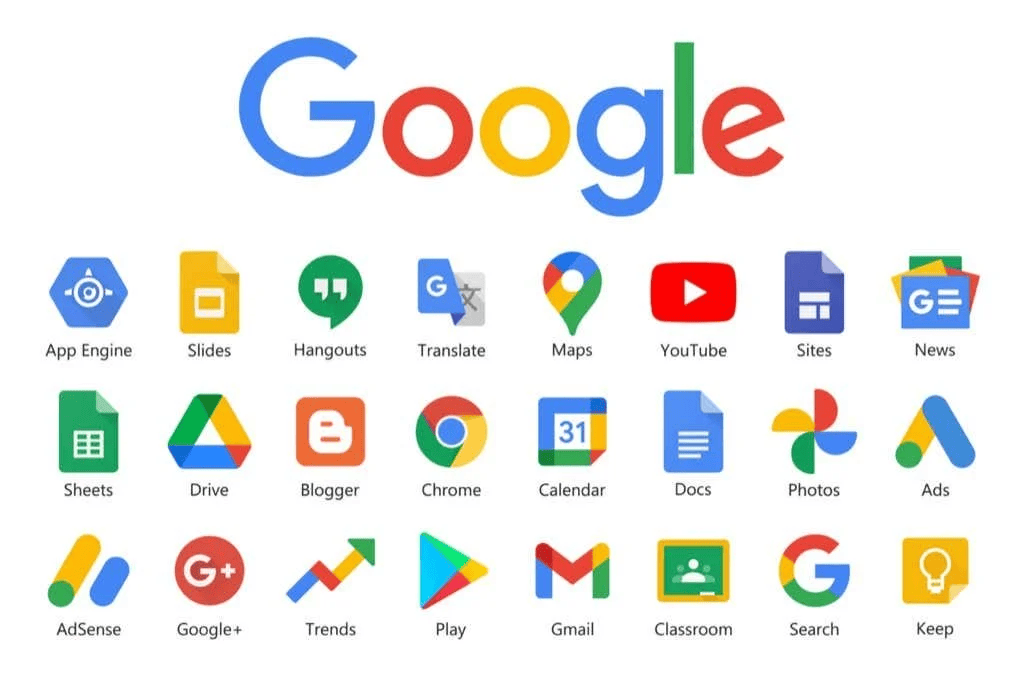
Google logo with ecosystem app icons
Google logo with ecosystem app icons (Source: TY Marketing & Co)

Google has a connected ecosystem of apps, like Gmail, Chrome, and Drive, that can sync with each other. That is why so many people continue to use Google for daily tasks.

12. Netflix with ‘Continue Watching’ Features

Netflix interface showing “Continue Watching” section
Netflix interface showing “Continue Watching” section (Source: Tech Hive)

Netflix builds loyalty through its “Continue Watching” feature, offering a personalized and seamless viewing experience that makes users stay.

13. FordPass Rewards by Ford

Person using the FordPass Rewards app for loyalty
Person using the FordPass Rewards app for loyalty (Source: Tech Hive)

‘FordPass Rewards’ rewards points and engages consumers with complete offerings. From vehicle health features to service reminders, everything is geared to make people feel cared for and trust the brand.

14. Uber Rewards with Points

Uber Rewards loyalty program points display
Uber Rewards loyalty program points display (Source: Points Hack)

Uber rewards offers tiers and appealing incentives for every purchase. This makes customers feel cherished and promotes their return.

15. Cineplex SCENE Rewards Program

Cineplex SCENE rewards points
Cineplex SCENE rewards points (Source: Points Hack)

The Cineplex SCENE Rewards program lets customers collect and use points at various partner stores, encouraging ongoing engagement even when they’re not visiting the cinema.

Keep Customers Engaged With Memorable Design

The best brand loyalty examples show that lasting connections come from consistent experiences and visuals that resonate with customers. When your brand provides emotional value and memorable design, loyalty grows gradually.

Strong visuals play a key role in how customers connect with your identity and message. Explore font collections that build brand loyalty and give your visuals a distinctive personality. For a more standout vibe, check out Dirtyline Studio, a haven of cool fonts to make your brand unforgettable.

Posted on

Brand Experience Strategy: 5 Steps to Move Your Brand Forward

Brand Experience Strategy: 5 Steps to Move Your Brand Forward

Brand experience strategy is often the forgotten part of major campaigns. According to Treasure Data, 74% of consumers prefer to buy based on their experience with a particular product. This figure shows that experiences can make people fall in love with a brand.

Therefore, for brand managers and creative teams, creating memorable experiences is an investment, not a burden. The right strategy can make a brand feel more alive and connected. Let’s see how to make your brand connect with people’s hearts.

Key Takeaways:

  • A consistent experience makes a brand more memorable.
  • A strong brand experience strategy can increase trust.
  • Innovative brands with unique experiences stay relevant.

Understanding the Power of Brand Experience Strategy

What is brand experience? It is a strategy of how a brand creates impressions and emotional connections through interaction with the audience. Moreover, it leverages visual appearance, service, and communication to shape perceptions, expectations, and psychological desires.

The goal is to connect better with the audience and gain their trust. To achieve this, an effective brand experience should center on these core elements:

  • Emotional appeal: creating feelings that resonate with your audience.
  • Trust and credibility: showing consistency and authenticity across every touchpoint.
  • Customer loyalty: encouraging repeat engagement.
  • Internal engagement: aligning employees with the brand’s vision and values.
  • Growth opportunities: using brand perception to expand your market reach.

By establishing a strong brand experience, you not only inspire confidence and loyalty among customers but also position your business as credible and professional. Over time, this foundation helps your brand attract a wider audience and drive sustainable growth. 

5 Core Strategies for Building Strong Brand Experiences

Building a strong brand requires a well-thought-out strategy. How you communicate with people and what you provide for them will affect how they see your brand. This is why a brand experience strategy may help your brand keep up to date. Here are some strategies to set your brand apart and make it stand out.

1. Build Clear Brand Meaning

The first step in figuring out where your brand is going and what it stands for is to define it. To achieve this, consider the message, values, and goals you want to convey to your audience. Consumers will not only know what your product is, but also understand its meaning and value.

2. Defining the Experience You Deliver

Identifying the experience you want to provide to customers is crucial in mastering how to build a strong brand experience. This covers the brand’s feeling, the story, and the impression you want to leave. By doing this, people will remember your brand and feel connected to it.

3. Capturing Attention through Immersive Design

Create experiences that capture attention and generate engagement. From interactive booths to immersive digital campaigns, engage and captivate your audience. It will motivate the clients to take action.

4. Personalizing Customer Journeys with Technology

Utilizing technology can significantly improve the consumer experience, for example, through AI. This technology is currently used by many companies to determine what each consumer likes and wants. As a result, this method makes the experience more unique.

5. Monitoring Brand Experience Over Time

Measuring and optimizing your brand means continuously monitoring and refining your brand experience. To do this, gather customer feedback through surveys or daily data. From there, you can identify areas that need improvement.

Critical Metrics for Enhancing the Brand Experience

Consistent and memorable experiences build relationships between consumers and brands. Every interaction shows how strong that relationship is. Here are some essential key metrics for understanding how to measure brand experience efficiently:

  • Brand Awareness examples from survey results or increased website traffic.
  • Brand Consideration example from a basic poll to find out which items clients like to boost the brand experience strategy.
  • Brand Preference examples from market research or surveys to determine whether your brand is on the list of purchasing considerations.
  • Brand Loyalty examples from surveys of customer satisfaction or the Net Promoter Score (NPS).
  • Brand Perception examples from customer reviews, social media, or opinion surveys.

5 Examples of Brand Experience Strategy in Action

A few effective brands build emotional connections with their consumers by creating unforgettable experiences. These are examples of successful brand experiences that can inspire your strategy.

1. Netflix Brings Squid Game to Life in Paris

Crowd playing Squid Game with their iconic ‘Younghee’
Crowd playing Squid Game with their iconic ‘Younghee’ (Source: Bizbash)

Netflix invites fans to play on the streets of Paris through its Squid Game season 2 promotion, creating an immersive experience.

2. Pinterest with Virtual Conference ‘Pinterest Present’

Presenter introducing Pinterest virtual conference stage
Presenter introducing Pinterest virtual conference stage (Source: Business Pinterest)

Pinterest launched Pinterest Presents, an interactive, colorful virtual conference experience.

3. Spotify Beach at Cannes Lions

Colorful Spotify Beach installation at Cannes Lions
Colorful Spotify Beach installation at Cannes Lions (Source: Newsroom Spotify)

Spotify Beach at Cannes Lions allows visitors to create their own cover art and sample their favorite audiobooks at the Taste Bar.

4. Nike with RunTown Pop-up in London

Nike RunTown London pop-up showcasing innovative footwear experience
Nike RunTown London pop-up showcasing innovative footwear experience (Source: Glorious Sport)

Nike stood out with its brand experience strategy at RunTown London, showcasing interactive shoe installations that highlighted cushioning technology.

5. Lenovo and F1 with AR Installation

Lenovo F1 car projection on London skyscraper
Lenovo F1 car projection on London skyscraper (Source: Jon Pixel Sharp)

Lenovo created an interactive AR installation that projects F1 designs onto London skyscrapers.

Shaping Stronger Brands With Smart Moves

Start your strong brand with the correct method. Using immersive design in a brand experience strategy inspires long-term loyalty by appealing to people’s emotions. This is what makes a brand not just easy to spot but also something that people remember. However, this is not the only matter.

To strengthen that impression, visuals must also speak for themselves. One of the simplest yet most impactful ways is through fonts. If you’re looking for a collection of fonts with character, try Dirtyline Studio‘s collection. Let’s make your brand stand out without the hassle now!

Posted on

How to choose the perfect Typeface for your brand with Dirtyline Studio font

When it comes to establishing a strong brand identity, choosing the right typeface is crucial. The typeface you select will not only convey your brand’s message but also evoke emotions and perceptions from your audience. Here’s a guide to help you choose the perfect typeface for your brand, featuring some exquisite fonts from Dirtyline Studio.

1. Understand Your Brand’s Personality

The first step in choosing a typeface is understanding your brand’s personality. Is your brand modern and minimalistic, or is it bold and playful? Different typefaces convey different messages. For instance, Neue Metana Next from Dirtyline Studio is a modern, minimalist design typeface with geometric elements, perfect for brands that want to project a contemporary and sophisticated image (Dirtyline).

2. Consider Readability and Versatility

Your chosen typeface should be easily readable and versatile enough to be used across various mediums. For example, Wagon, a modern serif font by Dirtyline Studio, combines strong style with readability, making it suitable for both display sizes and text sizes​​. It’s an excellent choice for logos, branding materials, and editorial use.

3. Pairing Fonts

Effective font pairing can enhance your brand’s visual appeal. When pairing fonts, ensure they complement each other without clashing. A good strategy is to pair a serif font like Wagon with a sans-serif font for a balanced and professional look.

4. Evaluate Font Features

Look for fonts with multiple styles and features to add flexibility to your designs. Adolle Bright offers a fresh, modern script with calligraphic styles and numerous ligatures and stylistic alternates, making it a versatile choice for various branding materials like greeting cards, business cards, and posters.

5. Test the Typeface in Real Scenarios

Before finalizing your choice, test the typeface in real scenarios. Create mockups of your website, business cards, and social media posts using the typeface to see how it performs. Dirtyline Studio offers several free demo versions of their fonts, allowing you to experiment and find the perfect fit without initial investment.

Conclusion

Choosing the right typeface for your brand is a blend of understanding your brand’s personality, ensuring readability, considering versatility, evaluating font features, and testing in real scenarios. With options like Neue Metana Next, Dx Lactos, Wagon, and Adolle Bright from Dirtyline Studio, you have a range of high-quality fonts to choose from that can help elevate your brand’s identity.

Explore the diverse range of fonts at Dirtyline Studio to find the perfect typeface for your brand.